The evolution of casinos tracing their roots through history
Ancient Beginnings of Gambling
The origins of gambling can be traced back to ancient civilizations where games of chance were played with rudimentary tools. Archaeological evidence suggests that the earliest forms of gambling occurred in Mesopotamia, with dice dating back to around 3000 BC. These early games often involved betting on outcomes, laying the groundwork for more organized forms of gambling that would emerge in later societies. Today, you can find a plethora of options at a new kiwi casino that illustrate this rich history.
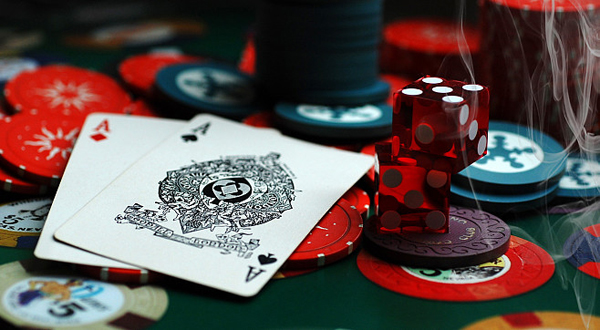
In ancient China, around 2000 BC, a game called «Keno» was played that involved betting on drawn numbers. This indicates that the urge to gamble and the fascination with games of chance were prevalent across cultures. These ancient practices established the foundational concepts of risk and reward that are central to modern casinos.
The Birth of Modern Gambling Houses
The modern concept of casinos began to take shape during the 17th century, particularly in Italy. The first official gambling house, known as the «Ridotto,» was established in Venice in 1638. This marked a significant turning point in gambling history, as it provided a regulated environment where players could enjoy various games in a controlled setting.
As the popularity of gambling grew throughout Europe, casinos began to spread to other regions, including France and Germany. The establishment of these venues was accompanied by the development of standardized games like baccarat and roulette, which are still popular today. The evolution of these early gambling houses significantly influenced the entertainment industry and set the stage for the grand casinos we know now.
Casinos in the Age of Enlightenment
The 18th century brought about the Age of Enlightenment, during which gambling became associated with social status and high society. This era saw the rise of lavish casinos in Europe, particularly in cities like Monaco and Baden-Baden. These establishments catered to the elite, offering not just gambling but also luxurious amenities and entertainment.
This period also witnessed the invention of new games and innovations in casino operations. The introduction of the roulette wheel, which became a staple in casinos, offered players a new way to engage with luck and chance. The atmosphere of these casinos became synonymous with glamour and sophistication, attracting wealthy patrons eager to indulge in both gaming and socialization.
The Global Expansion of Casinos
The 19th century marked a period of global expansion for casinos, as they began to emerge in the United States and Asia. The iconic Las Vegas Strip, for instance, began to take form in the early 20th century, transforming the desert city into a gambling mecca. With the establishment of gambling laws and regulations, casinos flourished in Nevada, attracting millions of visitors each year.
Meanwhile, in Asia, the gaming industry was also gaining traction with establishments like Macau, which has become one of the largest gambling centers in the world. The combination of culture, tourism, and high-stakes gaming created a unique environment that continues to evolve today. The global diversification of casinos reflects changing societal attitudes toward gambling and its integration into various cultures.
Modern Online Casinos and the Future
The rise of the internet has revolutionized the casino industry, leading to the emergence of online casinos. Players can now enjoy their favorite games from the comfort of their own homes, with a plethora of options available at their fingertips. Online casinos provide various incentives, such as bonuses and promotions, making them increasingly appealing to a wider audience.
As technology continues to advance, the future of casinos looks promising. Virtual reality and blockchain technology are set to transform how players experience gambling, enhancing both security and engagement. Online platforms are becoming key players in the gaming industry, reflecting the ongoing evolution of casinos and their adaptability to modern trends.